How a Pizza Restaurant Can Elevate Comfort Food Classics


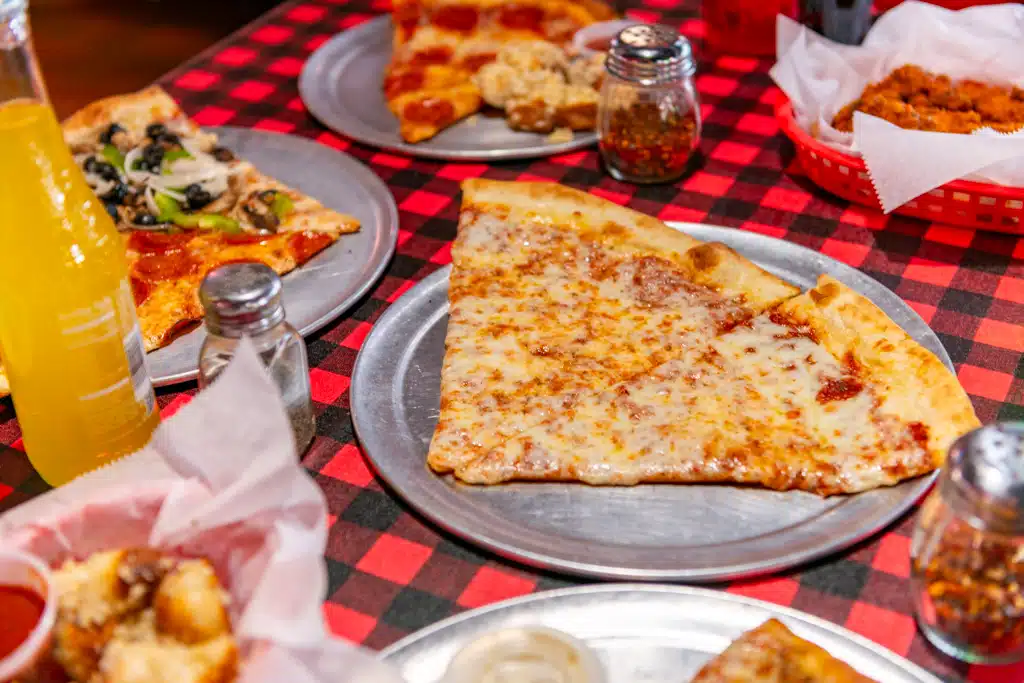
Comfort food earns its place through memory as much as flavor. People do not order baked pasta, garlic knots, meatballs, or a thick square slice because they want novelty for novelty’s sake. They order them because those dishes promise warmth, generosity, and a kind of edible reassurance. That promise is powerful, but it can also trap a restaurant in habit. If every familiar item is treated as untouchable, the menu settles into predictability. If every classic is “reinvented” beyond recognition, the comfort disappears.
That balance is where a strong pizza restaurant can separate itself from the field. Pizza shops already work with some of the most beloved building blocks in the comfort food canon: dough, cheese, sauce, roasted vegetables, cured meats, slow-cooked ragus, and browned crust. They also operate with equipment and prep systems that lend themselves to layered flavor. A deck oven can do more than bake pies. A good tomato base can do more than top dough. The same hand that knows how to stretch a round evenly often understands texture better than many full-service kitchens.
The result is a real opportunity. A pizza restaurant can elevate comfort food classics not by making them fussy, but by treating familiar dishes with more care, better technique, and sharper judgment.
Elevation starts with restraint
The most common mistake in “upgrading” comfort food is overbuilding it. A mac and cheese topped with six cheeses, truffle oil, hot honey, bacon jam, fried shallots, and three herbs may sound impressive on paper, but diners rarely remember it fondly. They remember richness without contrast, excess without purpose, and a bill that feels inflated.
The better approach is usually selective improvement. Keep the core identity of the dish intact, then focus on the places where quality and technique matter most. With baked ziti, for example, the real gains often come from a slower tomato sauce, better browning on the cheese, and pasta cooked with enough bite to survive the oven. With chicken parm, the difference is often in the cutlet itself: thin enough to stay crisp at the edges, seasoned before breading, and sauced with enough discipline that the crust does not collapse.
Guests notice these details even when they cannot name them. They may simply say the food tastes “cleaner,” “richer,” or “more homemade.” In practice, what they are reacting to is precision. The restaurant respected the dish enough to refine it without stripping away the reason anyone wanted it in the first place.
That matters especially in a pizza restaurant, where regulars tend to build routines. They come back for a Friday pie, a weeknight pasta, or a side of meatballs with the same loyalty they might reserve for a neighborhood diner. Comfort food lives or dies on trust. Elevation works best when it deepens that trust.
Dough teaches texture, and texture defines comfort
Pizza makers think about texture all day. They talk about fermentation, hydration, oven spring, char, chew, blister, and crispness not because those ideas are trendy, but because texture is the line between average and memorable. That mindset translates beautifully to other comfort food classics.
Take garlic bread. In weaker hands, it is an afterthought, either too dry, too greasy, or soft all the way through. In a well-run pizza restaurant, garlic bread can borrow from the same dough standards used for pies. Fresh-baked bread with an open crumb and real structure absorbs garlic butter differently than commodity loaves. It crisps at the edges, stays tender inside, and gives diners the contrast they instinctively want. Add a restrained amount of parsley, a pinch of chile, maybe a dusting of aged cheese, and the bread suddenly feels considered rather than obligatory.
The same logic applies to baked sandwiches, calzones, stromboli, and even dessert. A dough that has been fermented properly tastes fuller before any filling is added. It browns with more character. It also digests better, which affects the guest experience more than some operators admit. A diner who loves the first few bites but feels weighed down later is less likely to return than one who leaves satisfied and comfortable.
Texture is also where comfort food can drift into disappointment. Loaded fries that steam themselves soggy under cheese sauce, eggplant parm with mushy breading, or bread pudding with no crust to offset the custard all miss the same point. Rich food needs structure. A pizza kitchen already has the instinct to preserve that structure, and that instinct is an advantage.
Sauce is not just a component, it is a signature
Many comfort food classics rise or fall on sauce. In a pizza restaurant, the sauce often begins with tomatoes, but that foundation can branch in smart, profitable ways. A bright, balanced marinara can carry meatballs, mozzarella sticks, eggplant parm, and stuffed shells. A slow-simmered Sunday gravy style sauce can anchor braised dishes and family-size platters. A vodka sauce, if handled properly, can bridge the gap between old-school familiarity and a slightly more polished feel.
The critical point is that sauce should not feel like an interchangeable red blanket. Guests can taste when a kitchen uses one generic tomato product to cover everything. They can also taste when the cooks understand the difference between a pizza sauce that stays lively under high heat and a pasta sauce that needs body, sweetness, and depth after simmering.
There is a practical business benefit here too. When a restaurant develops two or three strong house sauces instead of a dozen mediocre ones, the menu gets more coherent. The team cooks with more consistency. Waste drops. Staff can describe dishes with confidence. Regulars begin to identify favorites not just by format, but by flavor profile. They come in craving the spicy red, the creamy pink, the garlicky white.
That is how a dish becomes part of a restaurant’s identity. It is not because the menu used expensive language. It is because the sauce tasted like it came from one kitchen with one point of view.
Cheese deserves more thought than extra volume
Comfort food and cheese have an obvious relationship, but more cheese is not the same thing as better cheese. In fact, piling on dairy often dulls a dish. It mutes acidity, blurs seasoning, and leaves the palate tired halfway through the plate.
A pizza restaurant has a unique chance to handle cheese intelligently because it already deals with melt, stretch, browning, and moisture management at scale. That knowledge can transform classics. Blending mozzarella with provolone can add nuttiness to baked dishes without making them greasy. Finishing a pan of lasagna with pecorino instead of only mozzarella can sharpen flavor and cut through richness. Using fresh ricotta in dollops rather than smearing it heavily through an entire dish preserves contrast.
This is one of those areas where guests may not know the exact change, but they feel the result. They keep eating because each bite still tastes distinct. The cheese supports the dish rather than swallowing it.
There is also room for regional personality. Not every pizza restaurant needs to taste like a red-sauce place from the Northeast. A Midwestern operation might lean into brick cheese or a more caramelized edge on pan bakes. A restaurant in the South might incorporate pimento cheese into garlic knots or a baked appetizer with strong local appeal. The key is to use cheese as a flavor tool, not a blunt instrument.
The oven can do more than finish pizza
One overlooked strength of a pizza restaurant is the oven itself. Whether it is deck, conveyor, wood-fired, or gas, the oven creates a kind of heat many other kitchens cannot replicate as efficiently. That matters when you want comfort food to taste developed rather than assembled.
Roasted vegetables for a sausage and peppers plate come out sweeter and more complex with real blistering. Meatballs finished in a hot oven build a better crust than those held in steam. Baked pastas gain those prized browned corners that guests quietly fight over. Even something simple, like a skillet cookie or fruit crostata, becomes more appealing when it arrives with crisp edges and a warm center instead of a uniform bake.
Operators sometimes leave money on the table by underusing this capability. They treat the oven like a single-purpose machine reserved for pies, when in fact it can become the engine for half the menu’s most satisfying dishes. The caveat is workflow. The oven must support these items without disrupting service during peak pizza volume. That takes planning, not guesswork. Timing windows, pan choices, and mise en place become crucial. A great idea is not so great if it adds eight minutes to ticket times on a Friday night rush.
This is where seasoned kitchens tend to outperform ambitious ones. Experience teaches what can be par-baked, what must be fired to order, and what travels well if the restaurant offers takeout or delivery. Comfort food must survive the real conditions of service, not just taste good in a test batch at 3 p.m.
Familiar dishes become premium through ingredient discipline
Not every elevated classic needs premium ingredients, but every elevated classic needs disciplined ingredients. There is a difference. A pizza restaurant does not need imported everything to make standout comfort food. It does need ingredients chosen for a reason.
Good canned tomatoes matter because they shape the backbone of several dishes. Better flour matters because it affects crust, bread, and baked apps. Sausage from a reliable local producer can improve pizza, pasta, heroes, and breakfast specials if the restaurant serves them. Fresh basil should appear where it contributes something real, not as decorative confetti. Even black pepper matters more than many menus suggest, especially in creamy sauces and meat dishes where stale spice shows immediately.
Guests are often more forgiving of simplicity than of carelessness. A plate of spaghetti and meatballs can feel generous and memorable if the noodles are cooked properly, the sauce tastes alive, and the meatballs have depth from fennel, garlic, grated cheese, and a proper sear. The same plate becomes forgettable if any of those parts are phoned in. Elevation is less about luxury and more about decisions made on purpose.
A useful test in menu development is to ask whether each ingredient earns its place twice: once in flavor, and again in economics. Burrata may be delicious, but if it turns a dependable baked dish into a price-point problem, the trade-off may not work for the neighborhood audience. On the other hand, spending a little more on better pepperoni or whole milk mozzarella often pays back quickly because the guest notices it in multiple items.
Nostalgia works best when it is specific
The broad term “comfort food” can flatten menus into sameness. Every restaurant ends up offering a version of baked mac, meatballs, wings, and tiramisu. The dishes are familiar, but not always distinctive. The way out is specificity.
A pizza restaurant can https://daltonepbu933.slatecurrent.com/posts/behind-the-scenes-of-a-busy-pizza-restaurant-kitchen elevate classics by grounding them in a particular memory, region, or house tradition. Maybe the meatballs are built around a grandmother’s breadcrumb ratio that keeps them tender. Maybe the baked clams lean Rhode Island instead of New York. Maybe the chicken parm sandwich uses sesame semolina bread because that is what the owner grew up with. These details matter because they give the food a point of view.
Specificity also helps the front-of-house staff tell a more convincing story. “Our baked rigatoni uses the same Sunday gravy base as the meatballs, and we finish it in the deck oven until the edges crisp” lands better than “It’s really good, lots of cheese.” Diners respond to confidence, especially when it sounds rooted in practice rather than marketing.
Some of the strongest restaurant menus I have seen keep the names simple while making the execution unmistakably personal. They do not need gimmicks. They need dishes that prompt a guest to say, “This tastes like the version I remember, only better.”
Side dishes and starters often do the real brand-building
Main courses get the glamour, but sides and starters frequently shape a guest’s lasting impression. This is especially true in a pizza restaurant, where the order often includes a shareable item before the pies arrive. Those early bites establish the standard for everything that follows.
An elevated comfort-food menu treats these dishes seriously. Mozzarella sticks can be hand-breaded and served with a sauce that tastes like the same kitchen made it. Roasted wings can gain depth from oven caramelization before a final toss in sauce. Stuffed mushrooms, polenta fries, fried ravioli, or a simple escarole-and-beans bowl can all carry the soul of the restaurant if executed cleanly.
There is one practical caution. Too many heavy starters can flatten the rest of the meal. A smart menu mixes rich items with brighter or more vegetal options. A sharp salad with bitter greens, pickled onion, and a mustardy vinaigrette does more than check a health box. It resets the palate. It makes the baked dishes that follow taste even better.
When restaurants ignore this balance, every course begins to taste like the same note played at different volumes. Guests may still enjoy themselves, but the meal feels less dynamic. Comfort should never become monotony.
Family-style thinking can raise both guest satisfaction and check averages
Comfort food is deeply social. It wants to be passed, portioned, and discussed across a table. A pizza restaurant already understands communal dining because pizza itself is shared by design. Leaning into that instinct can elevate classics in a way that feels generous rather than upscale for its own sake.
Baked pastas in half trays, meatball platters, chicken parm cut for sharing, and vegetable sides designed for the center of the table all make sense in this environment. They encourage variety without forcing everyone into identical choices. They also support larger groups, weeknight family meals, and take-home leftovers, all of which matter to the economics of a neighborhood operation.
The best family-style comfort food avoids two traps. First, portion inflation without quality control. Bigger is not better if the dish dries out or loses seasoning in the pan. Second, presentation that feels cafeteria-like. The food should still arrive with care, whether in cast iron, ceramic bakeware, or a sturdy serving dish that holds heat well.
A family ordering from a pizza restaurant is often looking for ease, but not indifference. If the meal solves dinner and still feels special, that restaurant earns a place in the weekly rotation.
The menu should show judgment, not endless capability
One of the hardest disciplines for operators is saying no. A pizza kitchen can make many things, which creates the temptation to make everything. The result is often a menu with too many classics, too many sauces, too many proteins, and too many combinations that dilute identity.
Elevating comfort food sometimes means editing aggressively. A restaurant may be better served by one excellent baked pasta than four interchangeable ones. One standout hero sandwich may outsell a page of middling options. A tightly built dessert selection often performs better than a freezer-heavy assortment that exists only to appear complete.
A few principles tend to help when refining the comfort-food side of the menu:
- Keep dishes that travel well if off-premise sales matter.
- Favor items that share prep without feeling repetitive to the guest.
- Protect oven capacity during peak periods.
- Use price points that match the neighborhood and occasion.
- Retire items that sell modestly and complicate execution.
These are not glamorous decisions, but they are the ones that keep quality high on a busy Saturday night. Guests do not reward potential. They reward consistency.
Service, atmosphere, and timing complete the experience
Comfort food is not just what is on the plate. It is also how the restaurant makes people feel while eating it. A pizza restaurant can serve the best eggplant parm in town, but if the dining room feels chaotic, the music is harsh, and the food arrives in clumsy bursts, some of the comfort evaporates.
This does not mean every pizza restaurant must become polished and formal. Quite the opposite. Many of the strongest ones keep service warm, brisk, and unpretentious. What matters is rhythm. Soup or salad should land before heavy baked dishes. Hot foods should arrive hot. Shared items should come with enough plates and space on the table. Takeout packaging should preserve texture instead of steaming the life out of crusts and breaded cutlets.
Small operational details make a surprising difference. Venting a box for a crispy chicken parm hero. Keeping sauce on the side for certain to-go items. Training staff to mention that a baked dish is very rich and ideal for sharing. These choices signal that the restaurant understands how comfort food is actually eaten, not just how it looks in a menu description.
Dessert is where a pizza restaurant can leave a final, memorable note
Dessert in pizza restaurants is often neglected or outsourced emotionally, even when it is made in-house. That is a missed opportunity. Comfort-food diners are highly receptive to simple, warm, nostalgic sweets when they are done with conviction.
A well-made tiramisu still works, but there is room for more character. Zeppole served hot with citrus sugar. Bread pudding made from leftover house bread, toasted enough to create edges. A skillet brownie with vanilla gelato. Ricotta cheesecake with a lighter texture than the dense versions many guests expect. None of these need to be ornate. They need to feel like a natural continuation of the meal.
The same restraint that elevates savory dishes applies here. One or two strong desserts often outperform a sprawling list. If a pizza restaurant is known for one specific sweet finish, regulars start ordering it automatically, and first-time diners ask about it because they heard someone mention it.
That kind of reputation is built dish by dish. It comes from repetition, standards, and the willingness to treat every so-called simple item as worthy of craft.
What guests really remember
When people talk about a favorite comfort-food meal, they usually do not describe innovation. They describe a crust that crackled, sauce that tasted slow-cooked, cheese that browned just right, meatballs that stayed tender, or a baked pasta with those perfect corner pieces. They remember the room, the smell when the plate hit the table, and the feeling that somebody in the kitchen cared.
That is the real path for a pizza restaurant that wants to elevate comfort food classics. Start with the dishes people already love. Improve what matters. Protect what makes them comforting. Use the strengths of the pizza kitchen, heat, dough, sauce, timing, and shareability, to make familiar food taste more complete, more personal, and more dependable.
Done well, the result is not a menu chasing trends. It is a restaurant that understands why comfort food lasts, and how much better it can be when the classics are handled with discipline and heart.
RUFFRANO'S HELL'S KITCHEN PIZZA Security
385 Main St, Colorado Springs, CO 80911
(719) 390-4355
FAQ About pizza restaurant
Is there a Hell's Kitchen pizza restaurant in Security-Widefield?
Yes. Ruffrano's Hell's Kitchen Pizza has a Security-Widefield location at 385 Main St.
Where can I find pizza delivery in Security-Widefield?
Ruffrano's Security location offers online ordering. Enter your address at checkout to check delivery availability and fees.
Where can I find gluten-free pizza in Security-Widefield?
Ruffrano's menu lists a 12-inch gluten-free option. Call the Security location to confirm availability and ask about shared equipment if cross-contact is a concern.